Also Explore
Destinations Near Gurez
Gurez pairs beautifully with these kashmir destinations on any multi-day kashmir itinerary.
Kashmir's Best-Kept Secret — a pristine, remote valley at 8,000 ft along the Kishanganga River, where ancient Dardic culture meets untouched Himalayan wilderness.
Tucked away in the Bandipora district of Jammu & Kashmir, Gurez Valley sits at approximately 2,400 meters along the banks of the roaring Kishanganga River, around 123 km from Srinagar. For decades, this extraordinary valley was closed to tourists due to its proximity to the Line of Control — making it one of India's most pristine and least commercialised destinations.
In 1895, British author Sir Walter Lawrence described Gurez as "one of the most beautiful scenes in all of Kashmir" — a verdict that still rings true today. The valley is part of the ancient Silk Route that once connected the Kashmir Valley with Gilgit, and its deep Dardic history is visible in the culture, wooden architecture, and traditions of the Dard-Shina tribe who have lived here for centuries.
Dominated by the legendary Habba Khatoon Peak — named after the beloved 16th-century Kashmiri poetess — the valley is framed by snow-capped Himalayan ridges, dense forests, and the sparkling Kishanganga River. Wildlife including the Himalayan brown bear and the elusive snow leopard roam these ranges.
Gurez is now open to Indian nationals with a valid Aadhaar card. It remains one of the few places in Kashmir where true solitude and raw natural beauty can still be found — no luxury hotels, no tourist crowds, just mountains, rivers, and a sky full of stars.
Gurez is everything the rest of Kashmir once was — wild, raw, unhurried, and breathtakingly beautiful. It rewards those who make the journey.
The valley's iconic landmark, named after Kashmir's beloved 16th-century poetess who is said to have wandered these hillsides. Its silhouette dominates the Gurez skyline.
The turquoise Kishanganga River flows through the entire valley offering trout fishing, river walks, and rafting opportunities — all framed by Himalayan peaks of poetic grandeur.
The dramatic mountain pass at 3,300m is the only road gateway into Gurez — the drive itself is an adventure, with panoramic views of deep gorges and snow-clad ridges.
One of the last strongholds of the ancient Dard-Shina tribe — visit Dawar's Shina Cultural Centre, witness traditional music and dance, and stay in authentic local homestays.
Gurez is home to the Himalayan brown bear, snow leopard, and rare bird species. The valley's remoteness has kept its ecosystem largely untouched and thriving.
Beyond Dawar lies the even more remote Tulail sub-valley — a series of untouched villages with no tourist crowds, where the silence is only broken by the river and the wind.
Gurez has a short but spectacular tourist season — plan carefully, as the valley closes completely in winter.
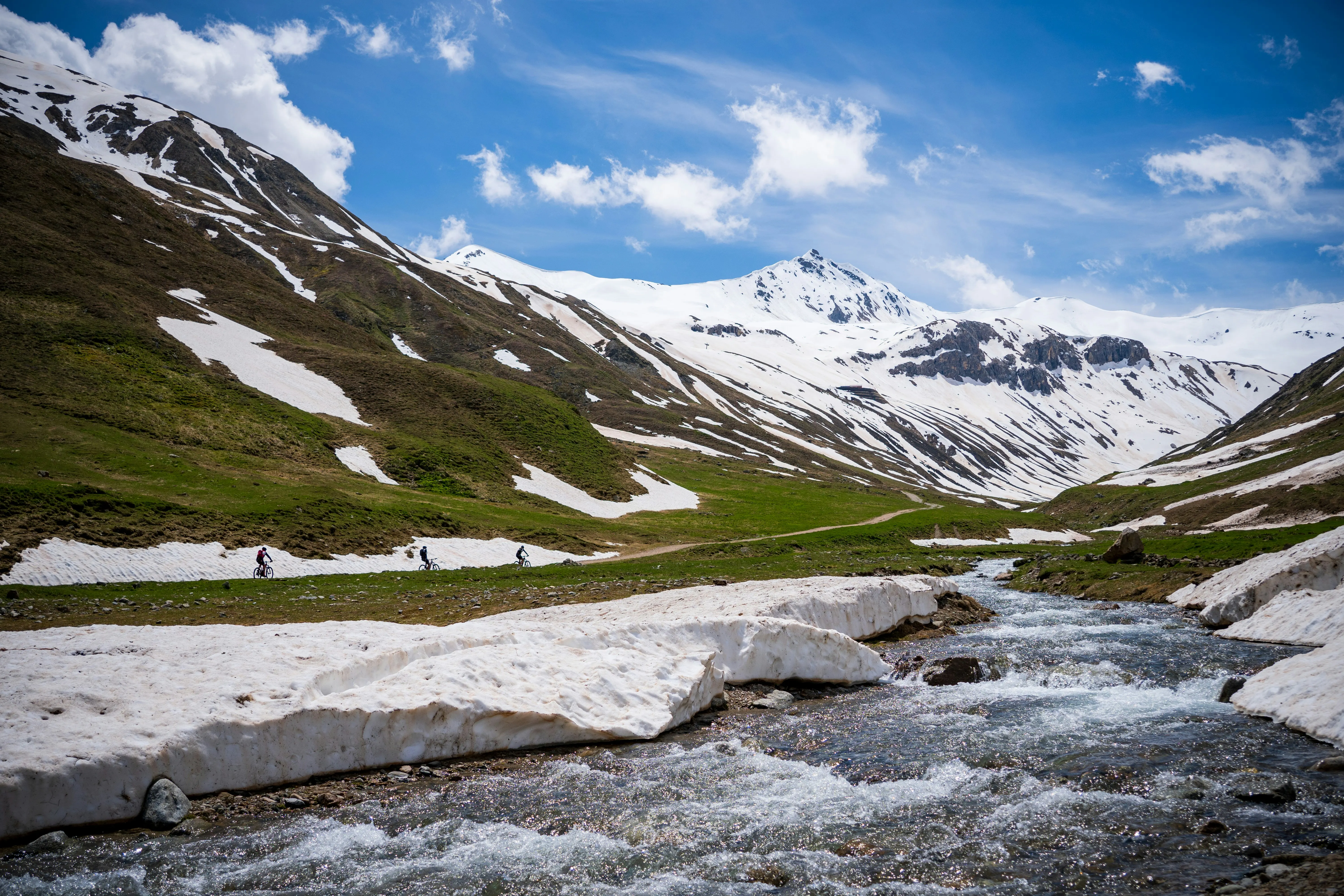
The valley is in full bloom with lush green meadows, the Kishanganga is flowing strong, and all roads and trekking routes are open. Temperatures a cool 12°C–25°C. The ideal time for first-time visitors.
May brings the first blooms of spring after the snow clears. September and October offer solitude and golden landscapes before the valley closes. Fewer tourists and peaceful roads.
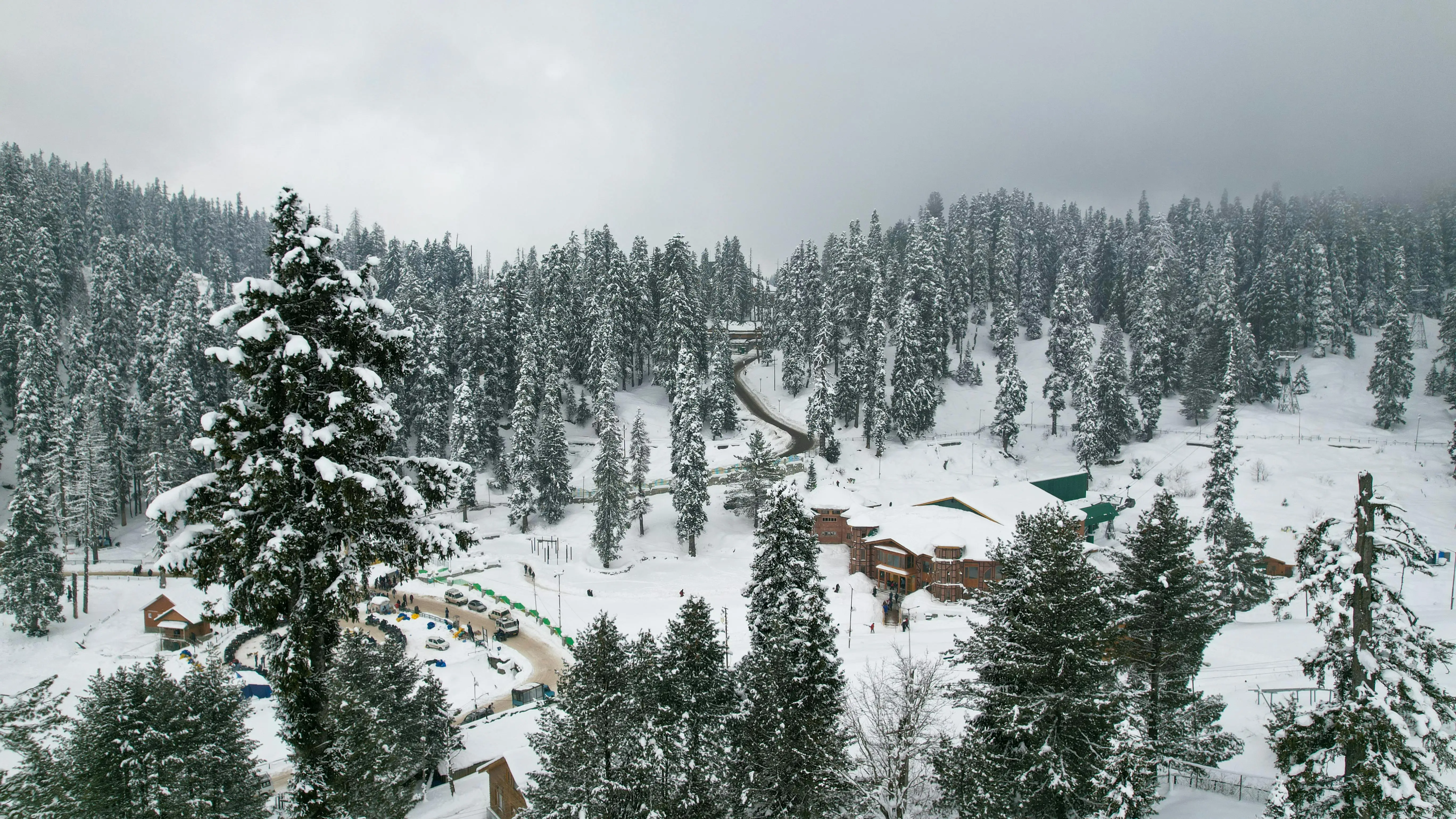
Gurez Valley is completely cut off by heavy snowfall — the Razdan Pass closes and the valley becomes inaccessible by road. Plan only between May and mid-December.
Gurez pairs beautifully with these kashmir destinations on any multi-day kashmir itinerary.
let us handle all the planning — permits, accommodation, transport, and a complete itinerary for kashmir's most extraordinary hidden gem.